Key takeaways
- Cleaning removes dirt, dust and grime from surfaces.
- Sanitizing lowers the number of germs to a safer level.
- Disinfecting uses products to kill specified germs on surfaces.
- Clean first, then sanitize or disinfect, and follow the label.
Cleaning
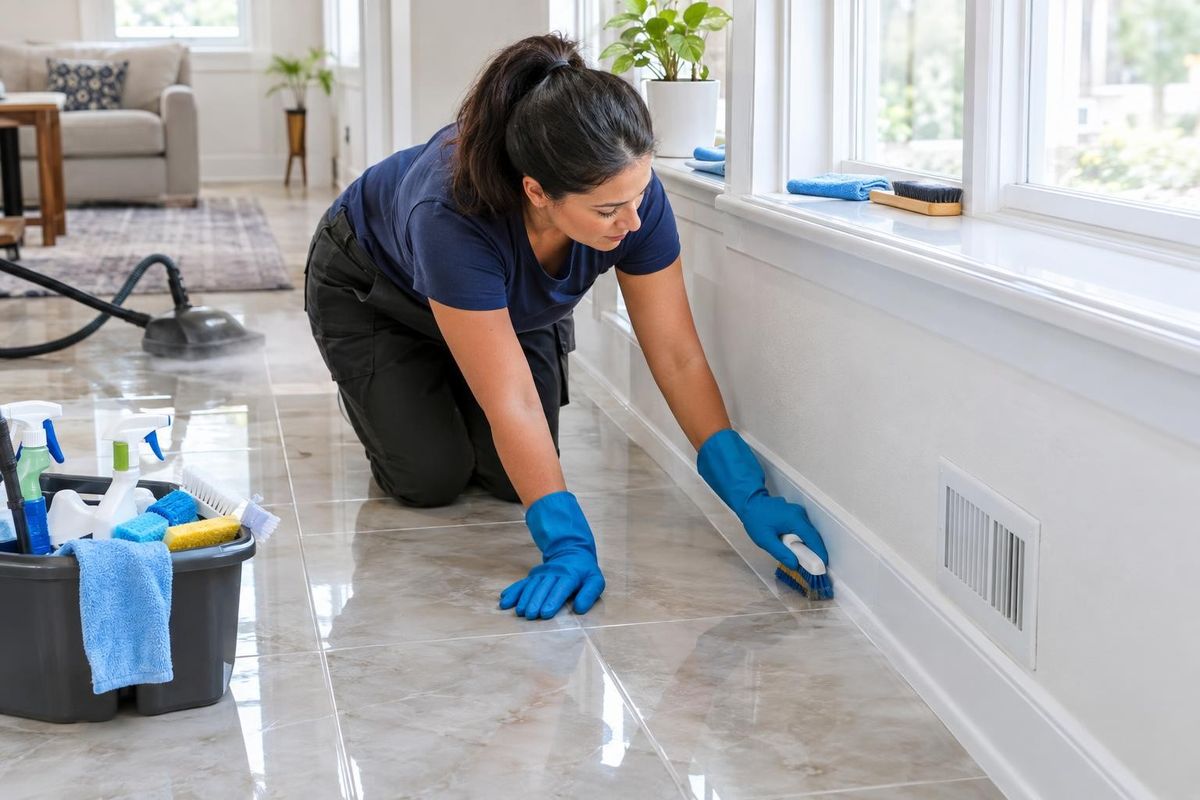
Cleaning is the physical removal of dirt, dust and debris with soap or detergent and water. It does not necessarily kill germs, but it removes many of them along with the dirt.
It is always the first step, because soil can block disinfectants from working.
Sanitizing
Sanitizing reduces germs to a level considered safe by public health standards. It is common for food-contact surfaces, toys and kitchens.
Sanitizers usually work quickly, but only on surfaces that have been cleaned first.
Disinfecting
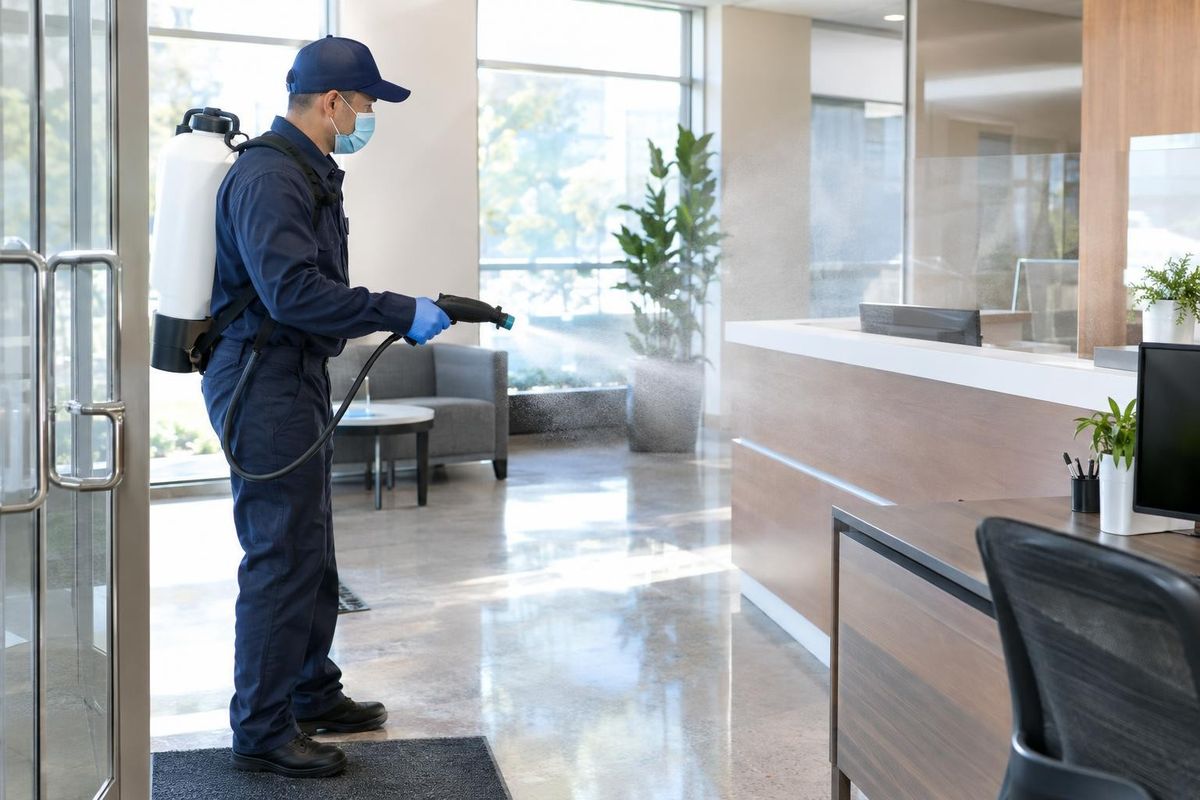
Disinfecting uses registered products that kill specified germs on hard surfaces when applied for the stated contact time. It is used on high-touch surfaces such as handles, switches and bathrooms, especially in shared spaces.
The label tells you which germs, how long and on which surfaces.
Putting it together
In most places, regular cleaning plus disinfecting high-touch areas is the right balance. Shared spaces, clinics and schools may do more.
We offer scheduled disinfecting for offices, gyms, schools and homes around Nashville, and we follow label directions.
Quick answers
Do I need to disinfect everything?
No. Focus on high-touch surfaces and areas where germs spread, and clean everything else.
Can I mix cleaning products?
No. Mixing products such as bleach and ammonia can create dangerous gases.